About
What is the Immigrant History Trail?
The Immigrant History Trail is a multimedia public art project that activates Boston Chinatown's community archives to share stories about the neighborhood's working class immigrant histories.
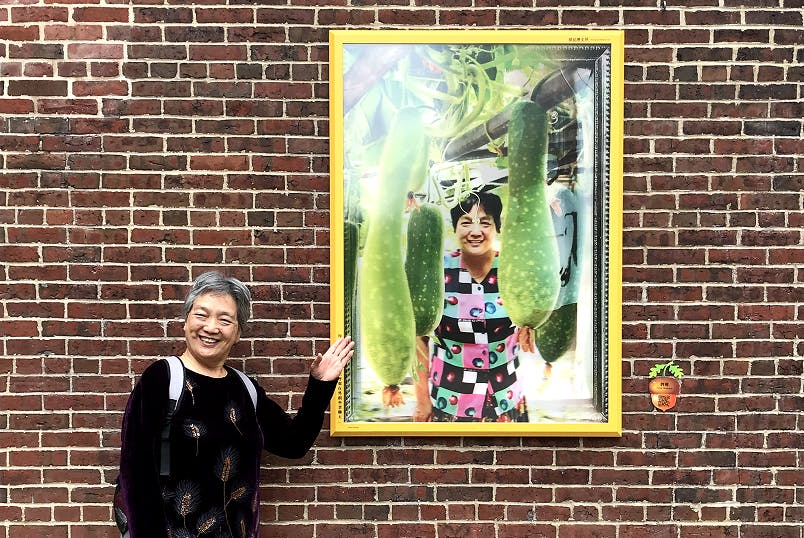
Plaques will hang on the walls of buildings across Boston Chinatown, inviting visitors to navigate the neighborhood with curiosity. QR codes link to this website, which highlights relevant text, images, and audio fragments, and points to where visitors can learn more.
This project is a community stewarded resource that will be updated regularly with new contributions of sites and stories for the Immigrant History Trail.
Why?
Boston Chinatown is at a crossroads after absorbing decades of urban renewal, zoning injustice, and institutional expansion, followed by luxury highrise development. The future of the immigrant, working -class residential and small business core that has characterized the neighborhood for 180 years is at risk. Now, more than ever, there is a need to make working -class immigrant histories of Chinatown known, accessible, and celebrated.
How?
Boston has a long history of neighborhood activism, and the Immigrant History Trail involves a similar grassroots and iterative mentality. We will engage local community members to collaborate with us as advisors and participants by contributing stories and memories, selecting sites for the Trail, creating archival resources, and more. We are committed to creating a participatory, non-linear Trail that emerges from community involvement. Residents, workers, small business owners, and organizers can all contribute stories, research, and audiovisual media, and engage their fellow community members.
Who?
We would like to thank Mass Humanities and the City of Boston Transformative Public Art Grant for support. We would also like to thank our partners including Boston Research Center and all current and past volunteer Immigrant History Trail Committee members.
While the Chinatown Community Land Trust is launching the Immigrant History Trail, the project idea originated during a conversation among many community partners held at the Chinese Historical Society of New England (CHSNE) in 2019, as community members discussed historic preservation for the 2020 Chinatown Master Plan. We would like to honor Tunney Lee (1931-2020), who was present in this conversation and enthusiastic about creating an iterative QR-code trail to show Chinatown's archival images to its visitors.
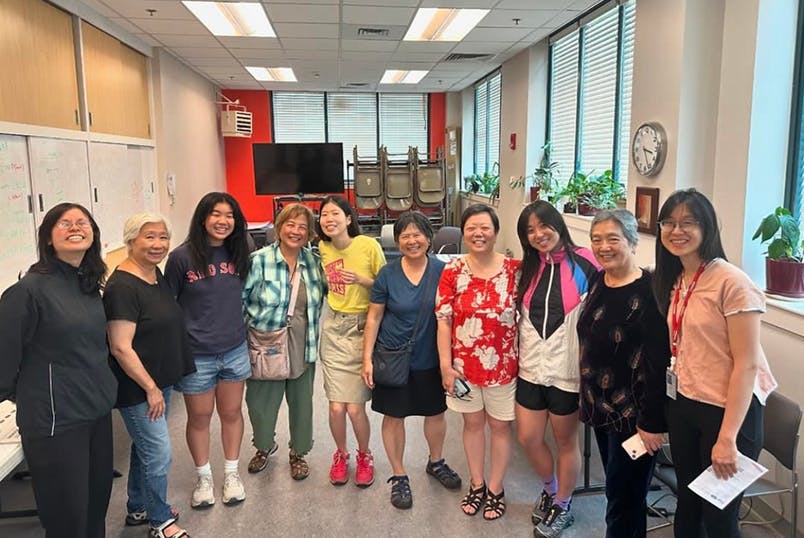
The core Immigrant History Trail team includes Daphne Xu, Lydia Lowe, Vivian WuWong, Lily Xie, Elisha Zhao, Franny Xi Wu. The website team includes Wei Qi, Mehrad Meraji, Eric Han, and Diane Zhou. Fabrication and installation of physical signage is by Jaywalk Studio. The Immigrant History Trail has a volunteer Advisory Committee which works to continue building the Trail.