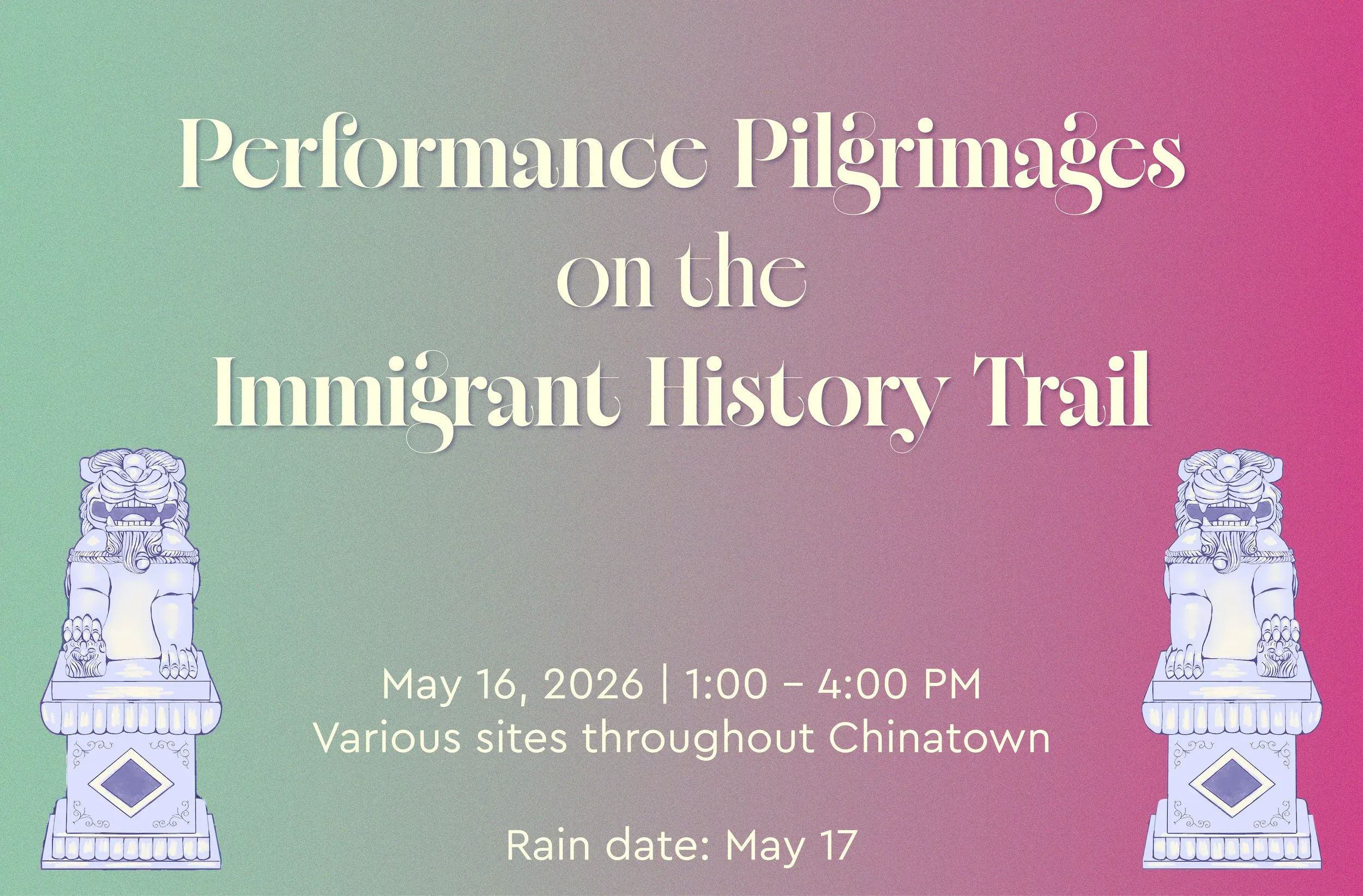
In this public program, we invite you to experience Boston Chinatown’s streets and corners as memory archives activated through live performances. In collaboration with the Immigrant History Trail, six artists will be responding to and caring for site-specific histories of Boston Chinatown through water calligraphy, dance, storytelling, and more. Participants will start their journeys at Pao Arts Center where they will be given a map and a schedule to walk around Chinatown and visit the performances. We invite you to find refuge and meditate on the deep histories embedded in the neighborhood.
1:00-2:00 and 3:00-4:00 / Lani Asunción
ᜑᜒᜎᜓᜋ᜔ | Hilom Community Circle: Between Water & White Flowers (WAI 間 白花), One Greenway Park 116 Hudson St
Activating the history of: Hudson Street
Hilom ᜑᜒᜎᜓᜋ᜔ is Tagalog for to heal, to restore, or to recover. This gathering is a call to mourn the loss of water, land, and life due to the climate crisis as a result of environmental capitalism. It is an invitation to gather to mend our communal wounds, aiming to restore balance and reconnect to one another. Between Water & White Flowers (WAI 間 白花) is a performance activation of installed work in Temple of Our Ancestral Dreams at Pao Arts Center bringing together community members from Chinatown to join this participatory performance ritual. Using elements of water, stones, banana leaves, and white flower oil community members will come together to create a space of safety, ancestral remembrance, and healing.
1:00-4:00 / Yolanda He Yang
itchy grief - willowing on the rolling words, 23 Oxford St
Activating the history of: Shanghai Printing
Using a long, dry willow branch as both writing instrument and performative extension of the body, the artist inscribes and traces while voicing obscured narratives of Chinatown. This gesture extends her ongoing inquiry into “itchy grief,” situating the performance within intersecting ecologies of migration, labor, and mourning. Sited near the former Shanghai Print Company—the first Chinese-English print shop in Boston—the work engages the material and linguistic histories of place. It draws from field research and oral histories with Jeff Wong, son of founder Henry Wong, and Willson, current caretaker of 16 Oxford Street and owner of Sun Sun Store.
1:30-2:00 and 2:30-3:00 / Feda Eid & Jassi Murad
Plantcestors, Awakening the Sacred at 8 Johnny Ct
Activating the history of: Johnny’s Home
Out of the sacred, the spiritual, the ancestral, our Plantcestors continue to protect, nourish and connect us to the land, our bodies and our relationship with ritual, death and birth. The land and its beings continue to witness the grief and violence of colonialism and imperialism. Eid’s performance draws inspiration from writer Layla Feghali in The Land in our Bones: "the [dabke] song becomes a chance for healing through collective grief... [and for] transforming in the soulful vocalization and communal witness—not unlike the bitterness of olives and their leaves in their power to heal us.” Feda Eid will be collaborating with Jassi Murad and Nahda Project for this performance of Plantcestors.
1:30-2:30 / Ying Ye
Generations at the Table at China Pearl Restaurant 9 Tyler St.
Activating the history of: China Pearl Restaurant
For decades, China Pearl has served not only as a dining space but as a ceremonial site for life-cycle events: weddings, baby banquets, milestone birthdays, and intergenerational reunions. This performance proposes to make those accumulated memories audible. Through layered sound design, kitchen-based field recording, responsive sound performance, and symbolic dish activation moments, this performance transforms the dining environment into a living archive of celebration, migration, continuity, and return. China Pearl becomes an instrument. The kitchen becomes percussion. The dining room becomes an archive.
2:30-3:30 / Joanna Tam
Meditation on Water: Thank you aunties, I wish I knew when I was younger at, Chin Park Serpentine Path 34W Lincoln St.
Activating the history of: International Ladies Garment Worker’s Union & Boston Busing in Chinatown
Meditation on Water: Thank you, aunties, I wish I knew when I was younger is a tribute to the aunties, immigrant activists, and community organizers in Boston Chinatown, such as those who fought for Chinatown children’s safety in 1975 and for garment workers' rights in the mid-1980s. Referencing a street art practice in China, the artist's meditation on water is rooted in her fascination with the ocean and water as metaphors for togetherness and transformation.
3:00-4:00 / Anita Yip
Still, We Gather, Metropolitan Courtyard 38 Oak St
Activating the history of: Parcel C
Still, We Gather invites the community to pause and reflect on what’s here now, what’s no longer here, and what remains with us. Even in places that look vibrant—new buildings, open gathering spaces, bright facades—there are fuller, often unheard stories shaped by absence as much as presence. This experience creates space to consider and feel what it means to stand in a place marked by both triumph and loss, and how we hold and honor the memories that continue to guide us. Through reflection and a shared ritual, participants come together to remember, witness, and gather—still.
About the Artists
Lani Asunción
they/them
Lani Asunción (they/them) is a Boston based queer Filipinx interdisciplinary artist who explores the intricacies of identity and belonging with ritualized performance and public art that serve as acts of reclamation. In their work, they seek to create public spaces where alternative ethics of care, community healing, and social solidarity can thrive. Asunción was the Curator & Public Art Manager of Pao Arts Center’s 2024-2025 Un-Monument Public Art & Performance Initiative in partnership with the City of Boston Mayor’s Office of Arts & Culture, supported by the Mellon Foundation. They are a 2025 WBUR Maker and Isabella Stewart Gardner Museum 2026 Neighborhood Salon Luminary. Asunción is a 2025-2026 Hidden Histories Artist-in-Resident in collaboration with Joanna Tam supported by The Reckonings Project focusing on Chinatown histories from the NEU Special Collections Archive.
Photo credit: Sasha Pedro
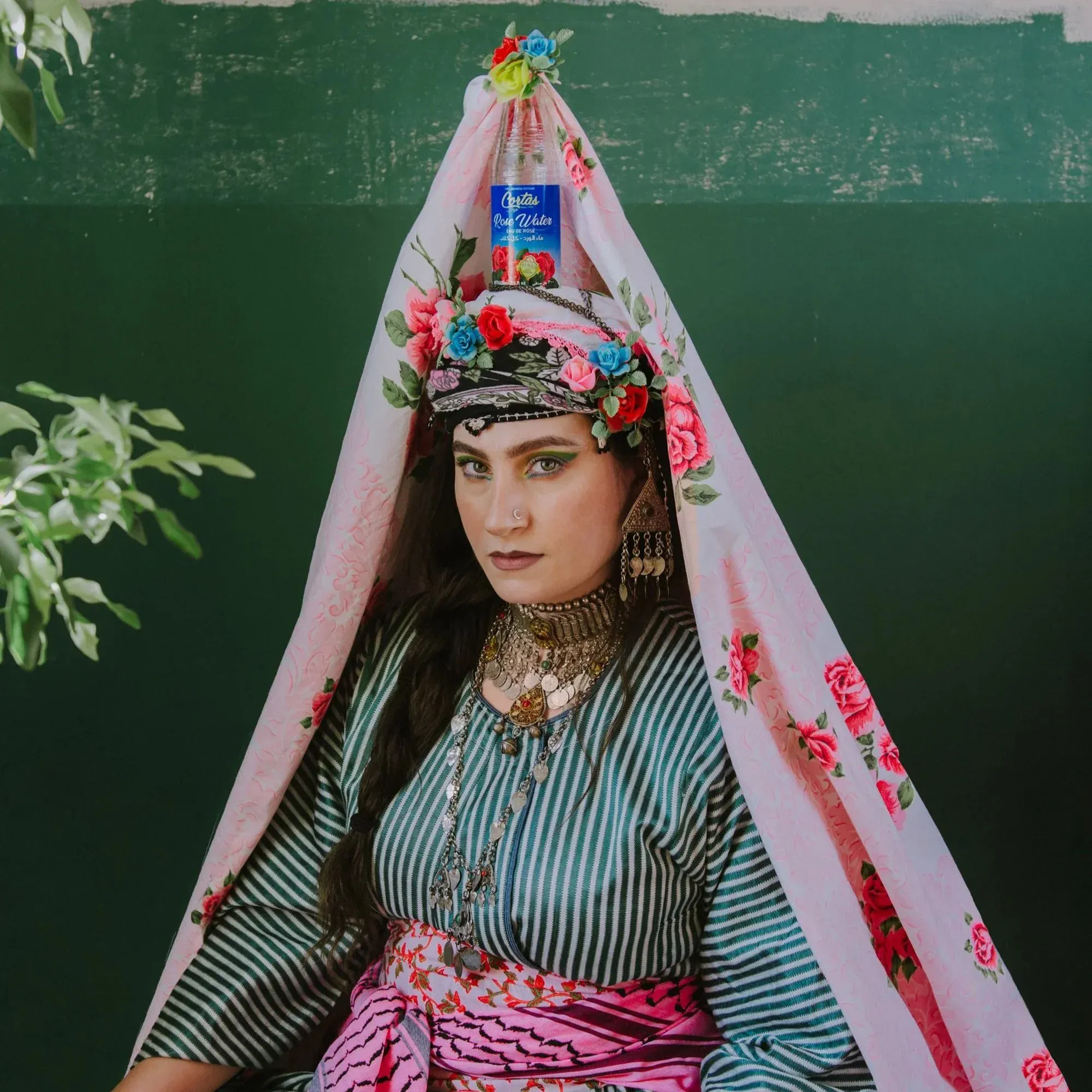
Feda Eid
she/her
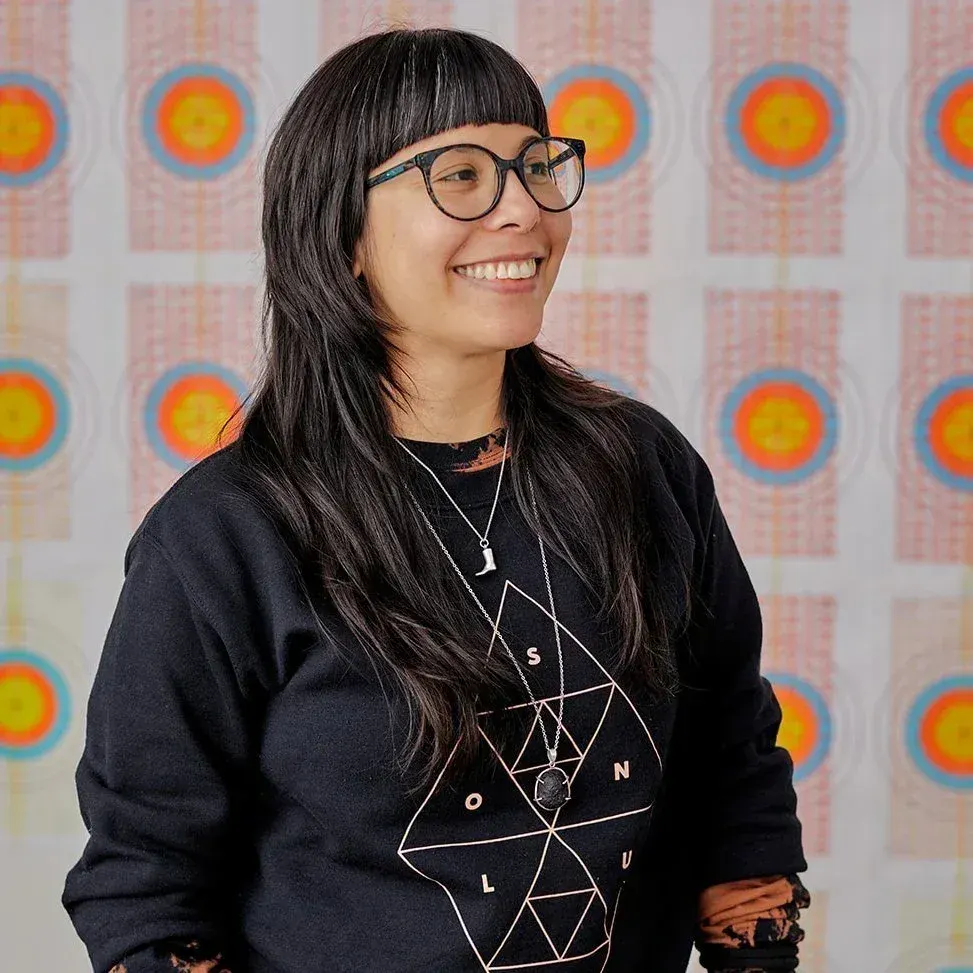
Feda Eid is a Lebanese diaspora visual and performance artist living in the occupied lands of Wampanoag and Massachusett People, so-called Quincy, MA. Her work explores the expression of heritage, culture, identity and often tense but beautiful space between, what is said, what is felt, and what is lost in translation. Using the everyday, passed down and reimagined as portals to ancestral wisdom and the Sacred, she captures these emotions through her bold use of color, textiles, adornment and pop culture linking the past and present. Feda is guided by her family's journey as Lebanese immigrants who fled the country's civil war in 1982 and her childhood growing up as an Arab and Muslim in the US.
Photo courtesy of the artist
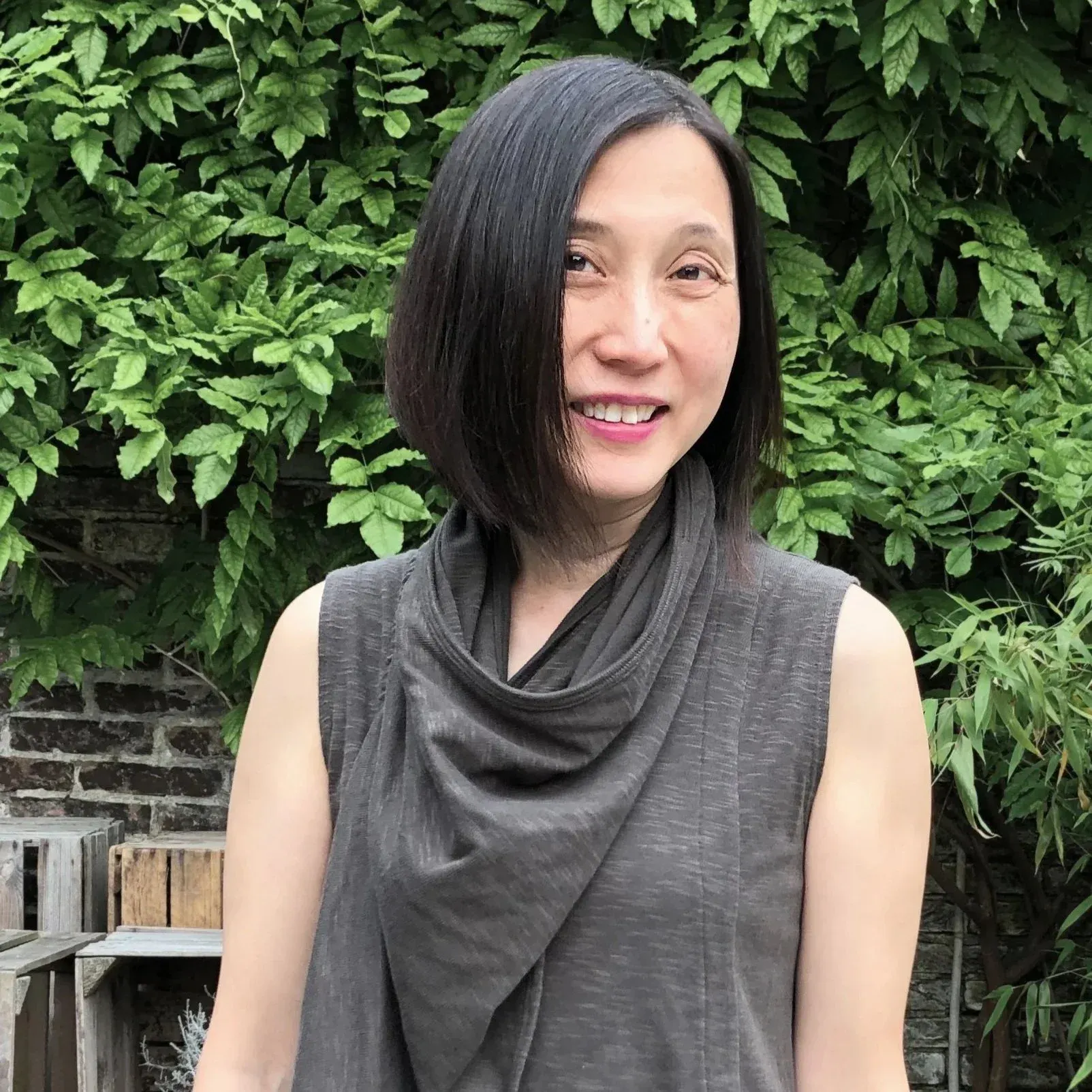
Joanna Tam
she/her
Joanna Tam is a Hong Kong-born visual artist who lives and works on the ancestral and unceded lands of the Wampanoag, the Nipmuc, and the Massachusett People, also known as Boston. Her practice examines migration, the idea of safety, and one's connection to places through video, photography, performance, installation, and community engagement. Tam is the recipient of the Prilla Smith Brackett Award (presented by the Davis Museum), the Collective Futures Fund's Sustaining Practice Grant, and the SMFA Traveling Fellowship. Tam's work has been exhibited nationally and internationally. Selected solo exhibitions include American Studies 2019 at the Center for American Political Studies, Harvard University; Visibility Studies at Regis College Fine Arts Center; Wasenstraße Story at Chrom VI in Idar-Oberstein, Germany; She has been invited to attend artist residencies at the Center for Photography at Woodstock, Kala Art Institute, the Vermont Studio Center, and the Boston Center for the Arts, among others.
Photo courtesy of the artist
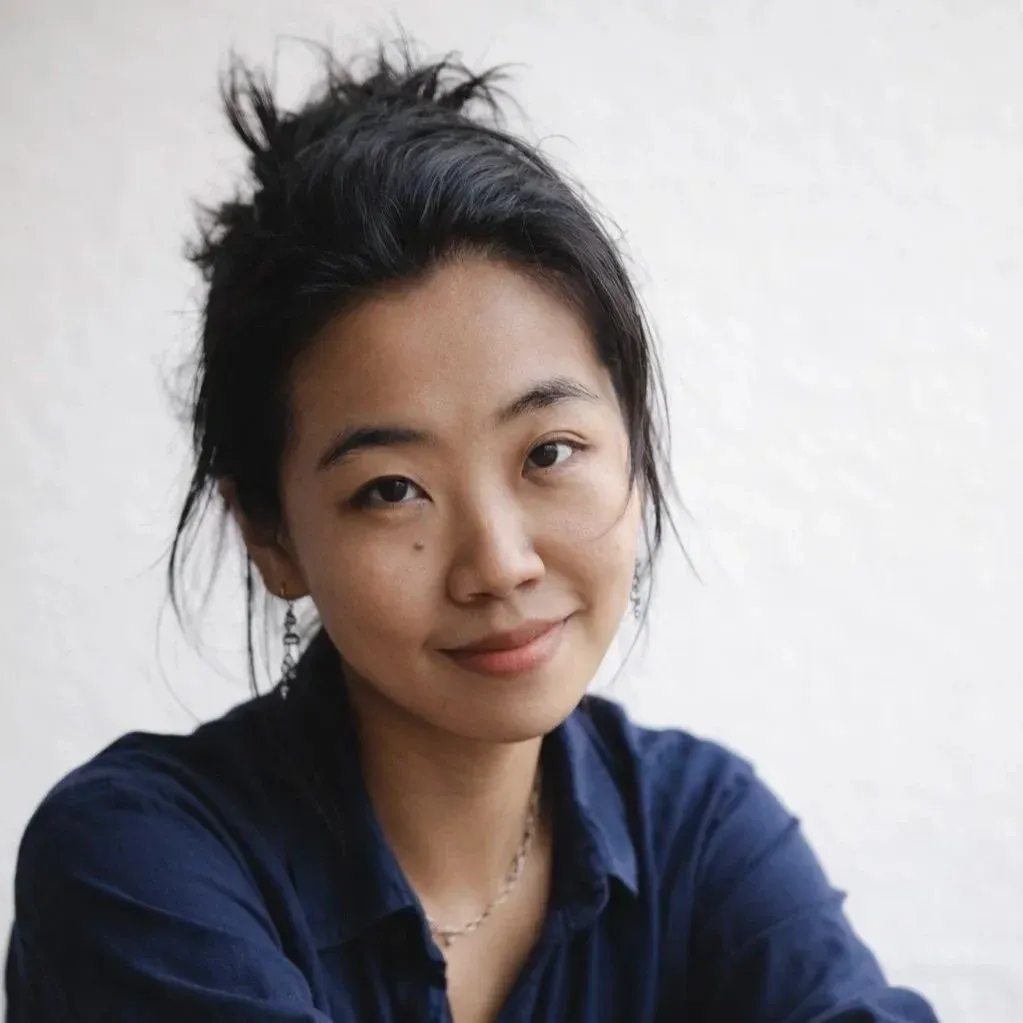
Yolanda He Yang
she/her
Yolanda He Yang is an installation and performance artist whose practice engages labor, materiality, and social ecology through subtle and ephemeral gestures. Born and raised in a Catholic family in North China and shaped by frequent relocations in childhood, her work draws from lived experience and site-responsive research. Through residencies and projects, her practice has attuned to the material and social conditions of diverse environments, including prehistoric sites in Cairo and Luxor, a demolition and construction recycling site at RAIR (PA), cornfields at Villkulla Residency (NE), and an upcoming residency at the Marble House Project (VT). As a recently awarded 2025 MassCreative fellow, she continues to lead Behind VA Shadows, a community public art project amplifying the creative voices of frontline staff in nonprofit art museums and organizations.
Photo courtesy of the artist
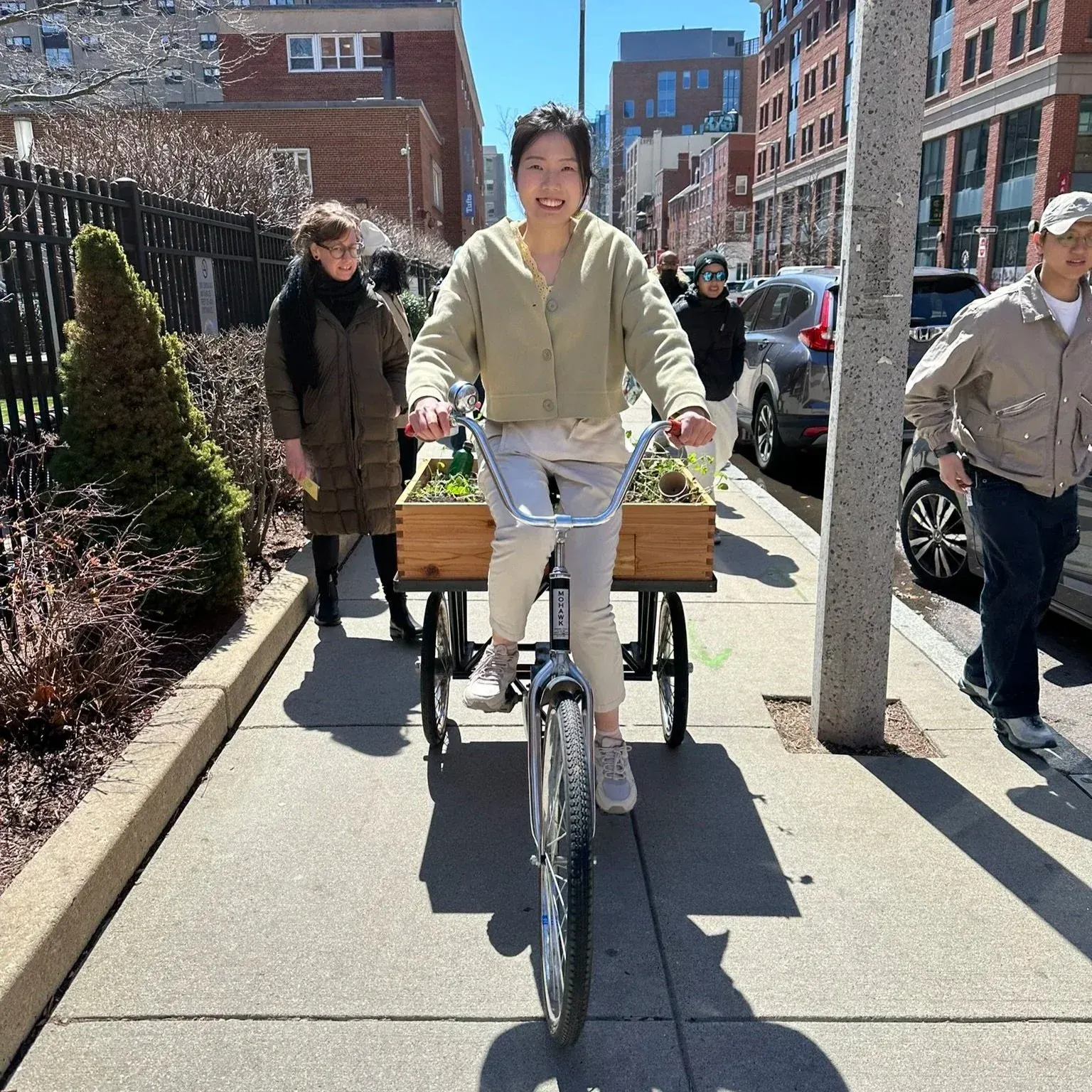
Ying Ye (叶荧)
she/her
Ying Ye (叶荧) is a bilingual, Fuzhou-born interdisciplinary and socially engaged Chinese immigrant artist whose work weaves her family’s cooking and farming traditions into site-responsive and community-based practices. Her work explores cultural identity, migration, feminism, and Asian American experiences, while addressing urban development, racial equity, and economic and food justice through art and labor. She was a selected public artist for the 2024 Un-Monument Public Art & Performance Initiative in Boston, an Artists of Color Accelerate Fellow with the New Britain Museum of American Art, and a 2024–2025 Trinity Studio Art Fellow. Ye has exhibited widely across New England and completed residencies at Mildred’s Lane, the Alternative Art School, and the Farmington Valley Arts Center.
Photo credit: Wes Boudreau
Anita Yip
she/her
Anita Yip is a Chinese-American citizen artist based in Boston, MA, working across public art, performance, writing, and photography. Through Project Asian Joy, she highlights underheard stories and forgotten histories, transforming them into shared experiences of joy, imagination, and connection. She approaches art as a way to strengthen communities by designing experiences and projects that honor histories, celebrate culture, and invite people to imagine and shape the spaces they share. Whether in the streets, on stage, or behind a lens, Yip’s work ensures communities feel seen, heard, and connected. Her work has been recognized through the City of Boston's Un-Monument Public Art & Performance Initiative as well as Neighborhood Activation Grant.
Photo courtesy of the artist
About the Curators
Sung-Min Kim
she/her
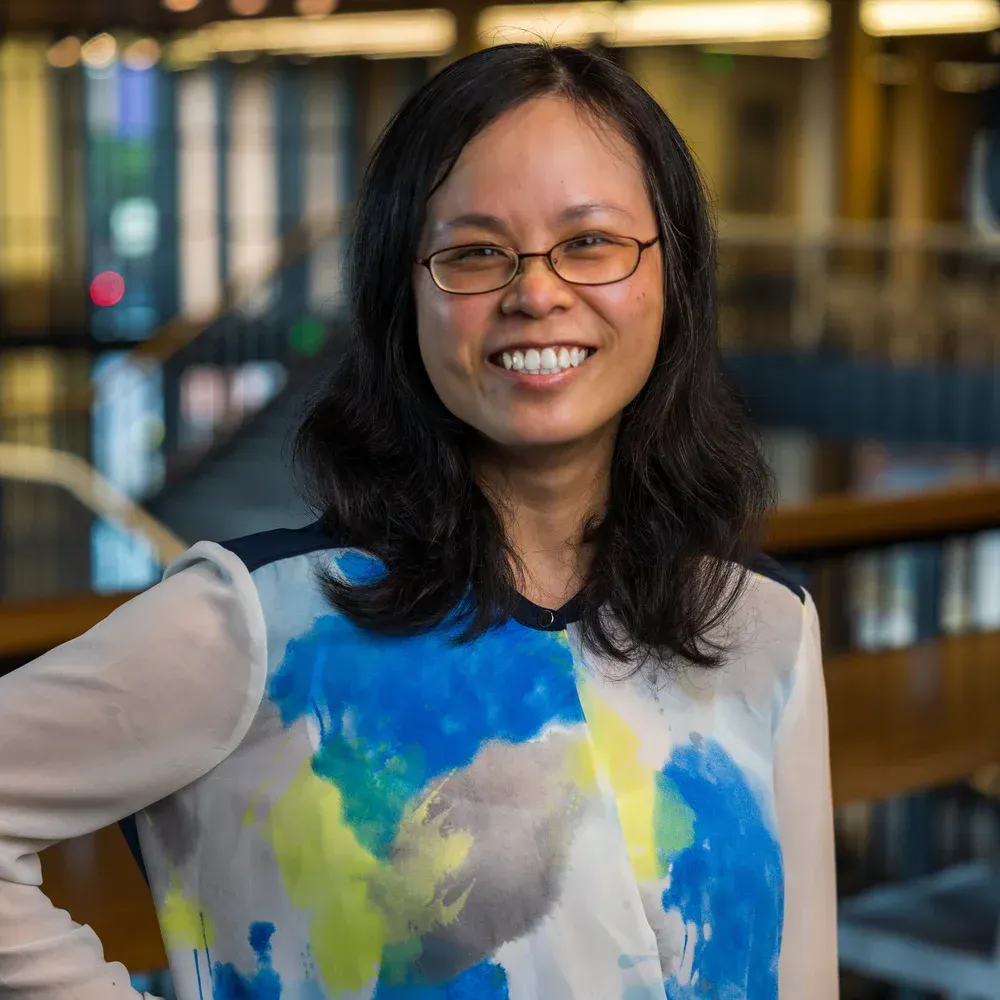
Sung-Min Kim is a scholar and curator based in Boston, MA. Her research examines Asian diasporic air travel as a metaphorical and material experience of untethering, belonging, grief, and futurity. Sung-Min has worked in Boston Chinatown in various community organizations and public art projects as a project manager, researcher, and youth worker. Her curatorial practice is centered around cultivating spaces for gathering and dialogue on pertinent issues of Asian American subjectivity, politics, and community. Sung-Min is currently pursuing a PhD in Performance Studies at Tufts University.
Photo credit: Sung-Min Kim
Wenxuan Xue
they/any
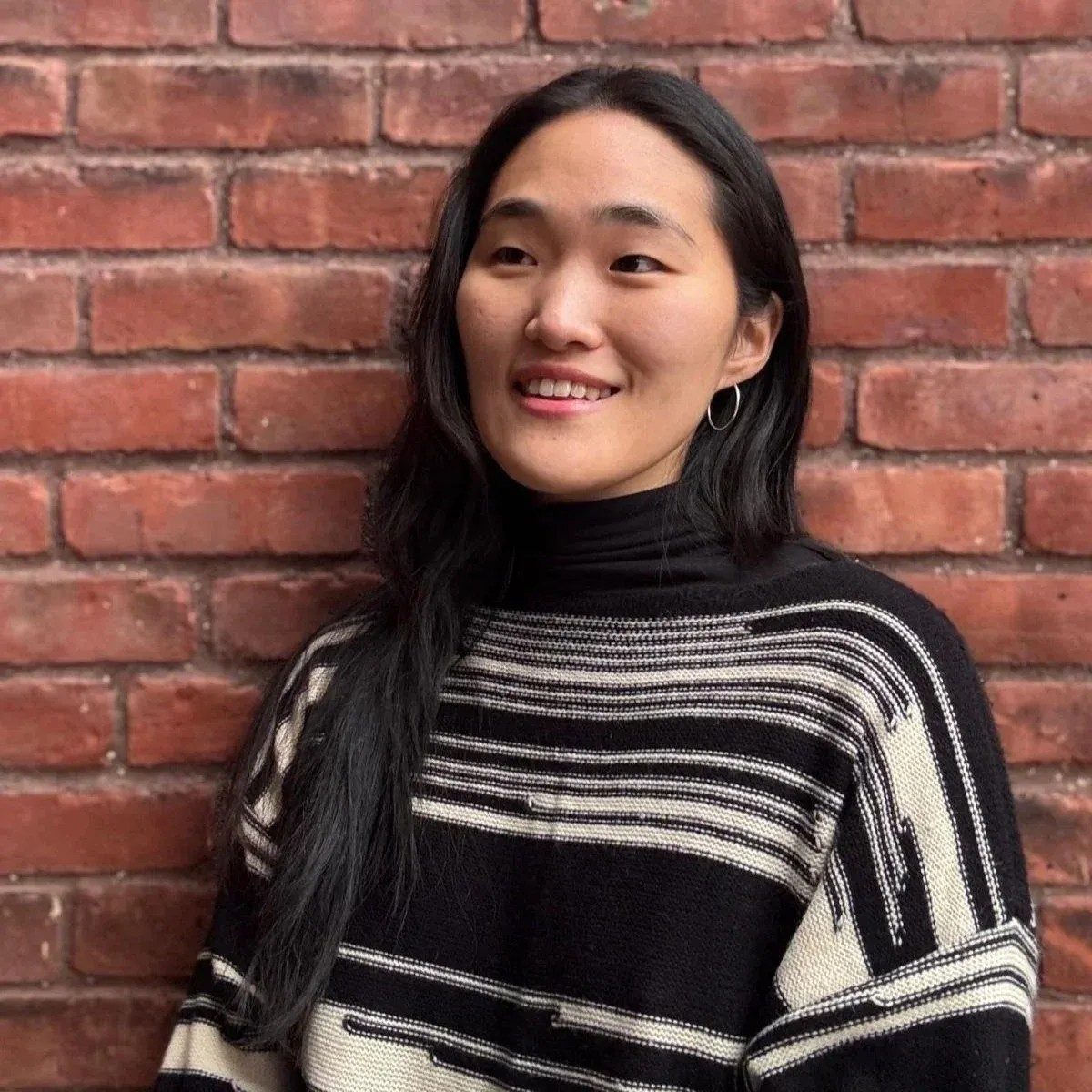
Wenxuan Xue is a Boston-based theater and performance artist, curator, and educator. Their artistic practice is guided by grief work that disorients conditions of compulsory forgetting—of ancestral and spiritual lineages, queer kinships, and abundant relations to the earth.
Photo credit: Cat Lent